
The Benefits of ERP Systems for Small Businesses: Enhancing Efficiency and Growth
Small businesses often face unique challenges that can hinder growth and efficiency. Implementing an Enterprise Resource Planning (ERP) system can streamline operations, making processes more manageable. The key benefit of ERP systems for small businesses is their ability to integrate various functions into a single platform, enhancing productivity and decision-making.
With ERP, tasks such as inventory management, customer relationship management, and financial reporting become more cohesive and automated. This integration minimizes errors and saves valuable time that can be better spent on strategic initiatives. By consolidating data, small businesses can gain real-time insights, enabling them to respond quickly to market changes.
Moreover, ERP systems offer scalability, which is vital for growth. As a business expands, its needs evolve, and an ERP system can adapt accordingly without significant overhauls. This adaptability allows small businesses to remain competitive and efficient as they grow.
Understanding ERP and Its Core Features
ERP systems streamline business processes and enhance information flow across various departments. Understanding ERP begins with its definition, the essential components, and the types of solutions available to small businesses.
Defining ERP Systems
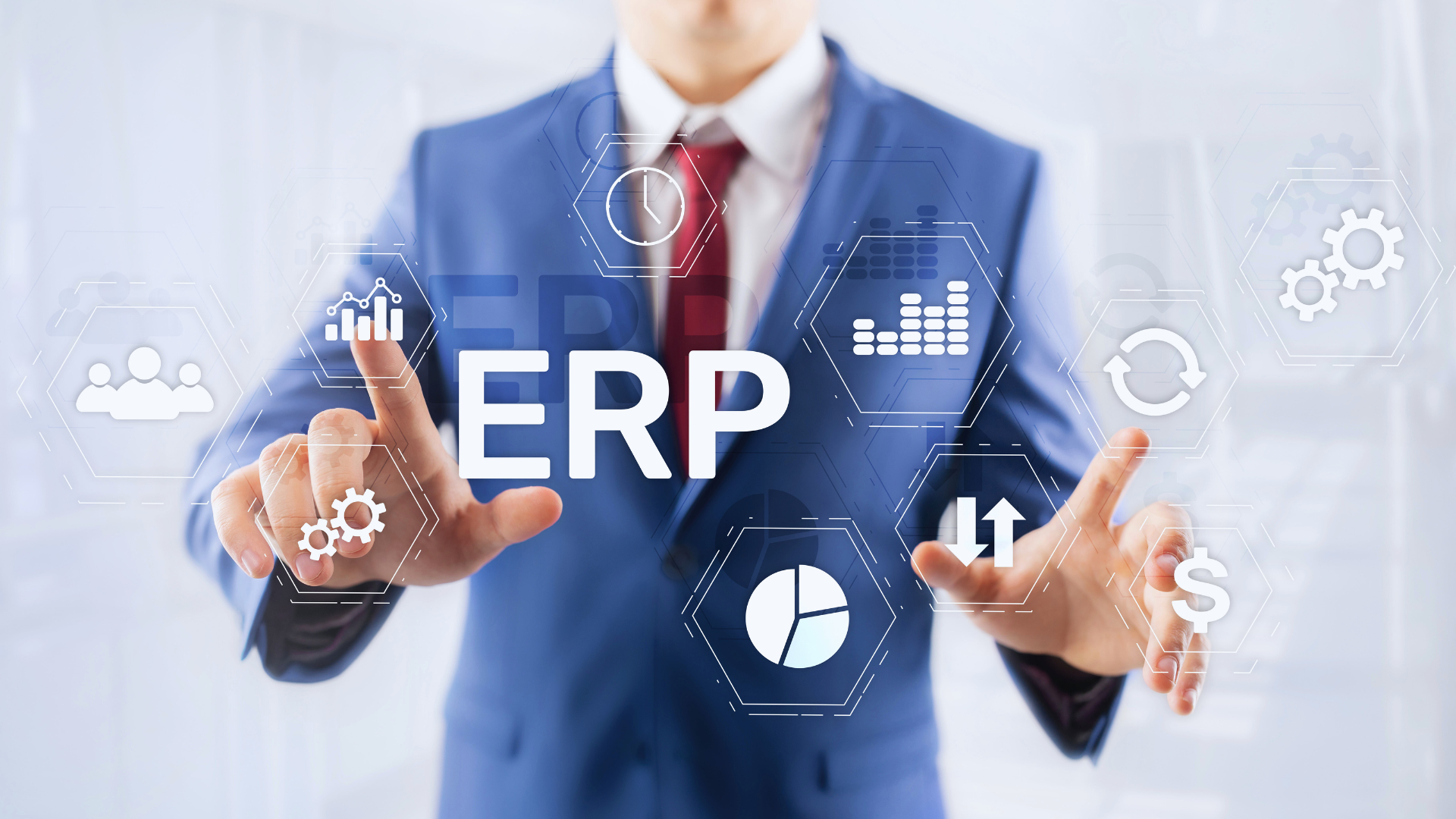
ERP stands for Enterprise Resource Planning. An ERP system integrates multiple business functions into one comprehensive system. It supports key processes across finance, human resources, supply chain, and customer relations.
For small businesses, ERP systems offer a cohesive platform that eliminates data silos. By utilizing ERP software, organizations can gain real-time insights and improve decision-making processes. Popular ERP solutions include Microsoft Dynamics 365 Business Central, NetSuite, and Odoo, each designed to suit different business needs.
Core Components of ERP Solutions
ERP solutions consist of several core components that provide comprehensive functionality. Some vital modules include:
- Finance and Accounting: Automates financial processes and reporting.
- Human Resources: Manages employee records and payroll.
- Supply Chain Management: Optimizes inventory and logistics.
- Customer Relationship Management (CRM): Enhances customer interactions and sales strategies.
These components work together to ensure seamless operations within an organization. The integration allows small businesses to monitor performance metrics and streamline workflows efficiently.
Types of ERP Solutions and Providers
There are several types of ERP solutions tailored to specific business needs and structures. They can be categorized as:
- On-Premises ERP: Installed locally on a company’s servers.
- Cloud ERP: Hosted online, offering flexibility and reduced maintenance costs.
- Hybrid ERP: Combines on-premises and cloud solutions to meet unique business demands.
Providers like ECI, Microsoft Dynamics 365, and NetSuite offer various ERP options to meet different operational needs. Selecting the right type involves assessing business size, budget, and specific requirements, ensuring an effective match to support growth and efficiency.
Operational Advantages for Small Businesses
ERP systems offer various operational advantages that can significantly enhance the efficiency and performance of small businesses. By optimizing processes and automating tasks, businesses can reduce operational costs and improve productivity.
Optimizing Business Processes
ERP systems streamline various business processes through integrated workflows. This ensures that all departments have real-time access to data, which fosters collaboration and improves decision-making.
Key areas include:
- Process Mapping: Identifying and standardizing core processes helps eliminate redundancies.
- Real-Time Data Access: Employees can quickly access relevant information, reducing delays.
- Improved Reporting: Enhanced analytics support informed strategic planning.
By refining these processes, ERP enables small businesses to operate more effectively, leading to cost savings and improved service delivery.
Automating Inventory and Accounting
Automation in inventory and accounting through ERP systems minimizes human error and saves time.
For example:
- Inventory Management: Automated tracking of stock levels reduces the risk of overstocking or stockouts. This optimization helps maintain efficient inventory levels.
- Financial Management: Automated accounting functions, such as invoicing and expense tracking, streamline financial processes and enhance accuracy.
- Reporting: Generating financial reports becomes quicker and more reliable, allowing for prompt adjustments to financial strategies.
This automation ultimately results in lower operational costs and improved financial oversight.
Simplifying Sales and CRM
ERP systems improve sales processes and customer relationship management (CRM) by centralizing data and automating customer interactions.
Essential features include:
- Lead Management: Track leads through the sales pipeline seamlessly, ensuring no opportunities are overlooked.
- Customer Insights: Access to customer data enables personalized communication and better service.
- Sales Analytics: Monitor sales performance and trends to adapt strategies effectively.
By simplifying these tasks, small businesses can enhance customer satisfaction and drive sales growth. This results in streamlined operations and reduced time spent on manual processes.
Strategic Benefits and Growth Opportunities
Enterprise Resource Planning (ERP) systems offer several strategic benefits and growth opportunities for small businesses. They facilitate enhanced decision-making through real-time insights and support scalability, enabling businesses to adapt to changing demands. By leveraging these systems, organizations can achieve a competitive advantage in their respective markets.
Enhancing Decision-Making and Reporting
ERP systems provide access to real-time data across various business functions. This immediacy allows small business owners to make informed decisions backed by accurate information.
With customizable dashboards, users can quickly visualize key performance indicators, sales trends, and operational metrics. The integration of business intelligence tools further enhances reporting capabilities, enabling users to generate comprehensive reports with a few clicks.
This functionality reduces the time spent on data collection and analysis, making it easier to identify trends or issues that may require attention. Moreover, the right partner can improve this process. For example, when implementing ERP solutions for finance or accounting needs, a Sage 200 consultancy service can help a company fully utilize its features. This can ensure the system is perfectly tailored to its specific needs, providing accurate, timely insights that can support better business decisions and growth.
Driving Business Growth and Scalability
As small businesses grow, they need systems that can scale with them. ERP solutions support this growth through modular designs that allow businesses to add functionalities as needed.
This flexibility ensures that businesses can manage increased complexity without overhauling existing systems. By streamlining processes, ERP enhances operational efficiency, which can lead to improved customer satisfaction and retention.
Moreover, the availability of real-time insights helps businesses respond quickly to market changes. This proactive approach supports better strategic planning, enabling businesses to identify growth opportunities promptly.
To make those insights truly actionable, many small businesses benefit from a local IT partner that handles cloud infrastructure, security and vendor integrations so teams can focus on decisions rather than maintenance. Working with a provider such as Solutions 4 IT – IT Support in the West Midlands can simplify cloud ERP migrations, automate backups and implement ongoing security monitoring. That kind of managed support helps ensure dashboards and reports stay reliable while reducing in-house IT burden. In practice, this pragmatic approach often boosts user adoption and the long-term ROI of ERP investments.
Achieving a Competitive Edge
In competitive markets, small businesses must differentiate themselves to succeed. ERP systems empower organizations to achieve this competitive edge by optimizing operations and improving resource allocation.
The automation of routine tasks reduces human error and frees up staff to focus on strategic initiatives. Furthermore, enhanced visibility into supply chains can lead to improved supplier relationships and cost savings.
By harnessing the power of ERP, small businesses can enhance agility, streamline workflows, and improve customer service. This responsiveness to market demands can significantly bolster their position within their industry.
Cost Reduction and Efficiency Gains
Implementing ERP systems can lead to significant cost savings and enhanced efficiency for small businesses. These systems streamline operations, reduce unnecessary expenditures, and improve overall productivity.
Reducing Operational and IT Expenses
ERP systems centralize data, which minimizes the need for multiple software solutions. This consolidation reduces the complexities and costs associated with maintaining different platforms.
Small businesses often face high operational costs due to manual processes. Automating these tasks through an ERP allows for a more efficient workflow, which can lead to substantial savings in labor costs.
Key Savings Areas:
- Software Licensing: Less reliance on various applications.
- Maintenance: Reduced IT support needs.
- Training Costs: Streamlined training for employees on one system.
Leveraging Cloud-Based ERP Benefits
Cloud-based ERP solutions lower initial setup costs as they eliminate the need for expensive hardware. They also provide scalability, enabling small businesses to adjust their resources according to growth.
With cloud solutions, businesses avoid hefty maintenance fees. Updates are managed by the provider, ensuring the system is always up-to-date without additional costs.
Advantages of Cloud-Based ERP:
- Accessibility: Access from anywhere, improving efficiency.
- Cost Predictability: Subscription-based models allow for better budgeting.
- Lower IT Burden: Less on-premises infrastructure reduces overhead.
Maximizing ROI and Customer Satisfaction
Efficient ERP systems enhance resource management, leading to improved return on investment. By streamlining operations, they allow businesses to allocate resources more effectively.
Customer satisfaction sees significant improvement as ERP systems enable better inventory management and order fulfillment. Quick response times and accurate information boost customer trust.
Factors Influencing ROI:
- Improved Efficiency: Reduces time spent on processes.
- Enhanced Data Accuracy: Improves decision-making.
- Customer Insights: Better understanding of client needs drives satisfaction.